


Boundary Training – What’s In It for The Dog?


As a livestock guardian dog trainer, I spend a lot of time pushing back against the ineffective, often detrimental training advice so easily found on social media. I am particularly sensitive to advice that threatens dogs' welfare; these two words together always spike my heart rate because the concept is so dangerous to dogs. Let’s take a look.
From a dog’s perspective, what does this mean? Dogs understand physical barriers (not boundaries) such as fences, rivers, mountains, and maybe physical elements that make it unattractive for a dog to take them on. Dogs do what is immediately reinforcing. For an LGD, guarding, managing, physically walking on, and controlling are intrinsically reinforcing because they are driven by the motor patterns they are born with. Think about this. Most of us count on our LGDs to act as their motor patterns dictate, knowing how to protect livestock, bond with livestock, and so on. You can’t turn this on and off; for the whims of humans, convenience, or any other reason that does not line up with the laws of behavioral science. Dogs do not do things because their owners said to.
I read today that it is possible to teach a dog to “respect” a boundary by walking that boundary with the dog several times a day, possibly for as long as a year. I find this statement heartbreaking; let's have a little empathy for an owner who is willing to work that hard to protect her dog. Think of what it would take to have that kind of dedication to a dog. So, so many owners treat their responsibilities to their dogs casually, even callously and cruelly. When I encounter people willing to work for their dogs, I pull out all the stops to help them learn how to reach their goals with their dogs, and at the root of this is having realistic expectations of their dogs. As an example, what if this owner spends an hour, three times a week, for the fifty-two weeks of a year: that is 156 hours of “training”! Imagine what a joyous experience it would be, for both the dog and the owner, if they were on a productive path that made sense to both of them.
And really, does anyone think it would take a dog a year to learn – anything? My experience with dogs is that they learn faster than many humans, and for very good reasons: in most cases, their motivations are less complicated and less conflicting. So, if an owner is out there doing something over and over, without reaching their intended goal, at what point do you stop and reflect about what is really happening? For many people, back to Facebook they go, and the messy soup of life with their dog continues. Here are some of the things owners have told me:
The dog knows better
The dog knew it was wrong and did it anyway; bad dog. Dogs have no concept of right or wrong or the “rules” humans attempt to instill. Dogs do learn habits, patterns of behavior, and if staying home is reinforcing enough, dogs may choose to stay close enough that the owner thinks a boundary has been learned; that is not what has happened. A dog may behave within a predictable pattern – until there is enough motivation for him to do something else. How far-fetched it is to think, and many owners do, that an LGD in pursuit of a predator would stop at a boundary because an owner taught them to? And yet, this is a common expectation, and this erroneous understanding of a dog can get him killed; this happens to thousands of LGDs every year.
People break rules every day of the week, even though they fully understand the concept. People drive too fast, they break laws, and they do things they absolutely know are not good for them. Even, even if you thought a dog “knew the rules” how could you expect anything different? Do you trust your teenager not to drink and drive, not to have unsafe sex, and a myriad of other possible dangerous behaviors, or do you do your best to set them up for success with your realistic expectations, vigilance, and support? Dogs need THIS.
Using pain to teach – That’ll show him!
Pain feels good to people. It is reinforcing to people to retaliate, to get even, to rail against something they don’t like and don’t understand. And here’s the thing: it works in the short term. You can drop a dog right to the ground with a shock collar – take that, dog! What did he learn? That’s the wild card, the piece not well understood. The dog experiences pain in a specific area on the property, or he may associate it with the way his body was moving; he learns that he is not safe on his own property while doing the work he was bred to do. Seems simple, right? Stay home, and you won’t get hurt. Well, dogs don’t reason like this, and even if they did, as following a rule would indicate, can you count on that? When was the last time you exceeded the speed limit? I suspect it was exactly that, the last time you drove your car. Do better! Truly protect your dogs.
Good fences make good neighbors
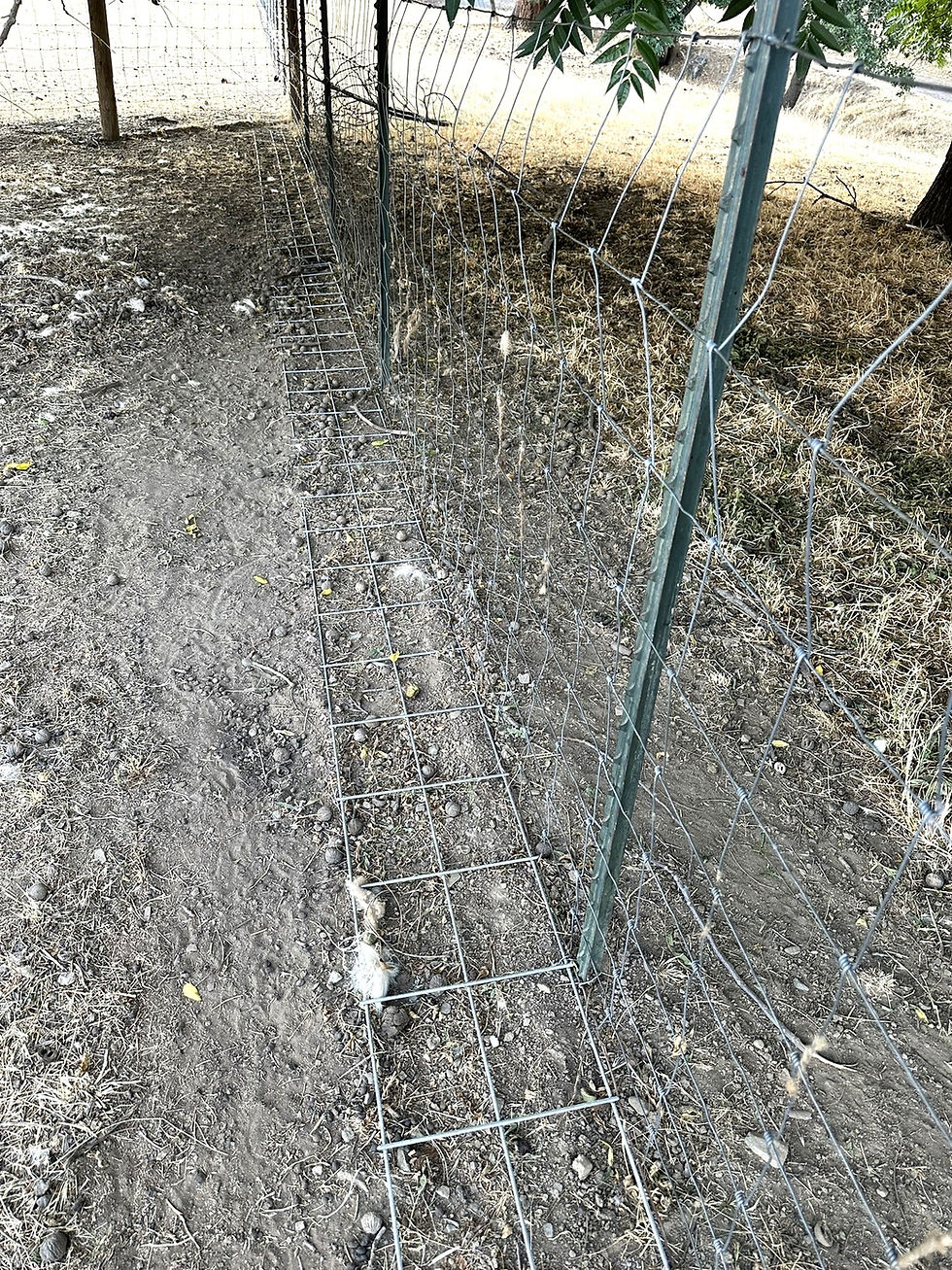
Be a good neighbor! Fences are powerful training tools that dogs understand. As pups, when they learn that it is easier to stay home and that home is a nice place to be, as adults, they may never challenge a fence, never view a fence as merely a suggestion about where their bodies belong. LGDs are bred to solve puzzles; when an LGD learns that fencing can be a puzzle to solve, why would they not? Once at liberty on the other side of a fence, they find that Disneyland awaits them! Now, why would they stay home?! All animals are resourceful at meeting their needs.

No matter how many joules I use with that collar, he still leaves home!
Why wouldn’t he!? Why on earth would any being stay where their needs are not met and where pain is a daily part of the picture? My question? Why do you still keep charging that collar?! It isn’t working. Every time the dog escapes may be the last time because being off his home property is dangerous; dogs get shot, hit by cars, or simply get lost and never come home. And here’s a thought. This is a litigious society; you can be sued if your dog is hit by a car. How will you feel if your dog is on the road and causes an accident, and someone, a child, maybe, is killed? Well-trained LGDs owned by owners who built super great fences can still end up off the property, bad things happen to good dogs and to good people, but doing your best is the best you can do. Doing the same thing over and over while expecting different results is not doing your best; dogs are owed more.
Is it too late? What do I do now?
It is never too late to teach a dog something; no dog is a lost cause to me, but it is also true that you can’t un-ring a bell. It can be incredibly difficult to live with a dog who has become good at leaving home. Often, it isn’t possible to create a life at home with enough reinforcement in it to outweigh the lure of the smorgasbord of wonderful experiences waiting just on the other side of the fence. It can come down to management – physical and logistical – while doing all that is actually, truly possible to create a life full of enrichment at home. Dogs that reach this point often are not offered the luxury of dying of old age – and that is just a fact. Knowing this, having experienced this through my work as a rescue on my ranch, is why my heart rate goes through the roof every time I hear someone promote boundary training, or the use of invisible fencing, because a dog’s life is on the line. The longer a person uses ineffective or dangerous training methods, the less likely it is for the dog to return to being easy to live with. Here’s another one:
I’m going to get rid of THIS dog and get a good one!
Puppies are born perfect; the human in the equation is where it begins to fall apart. If you had a dog who learned to run away, and you didn’t learn why the dog made the choices he did and what you could have done differently to protect him, history may repeat itself. There are people who have had dog after dog after dog for thirty years and fought the same battles with all of them, accepting that LGDs just are like that: they bark a lot, don’t come when called, may bite people, and on and on.
I am here to tell you that this does NOT have to be true. I am one of those odd people who had to do things over and over to figure out how to get it right. I have lived with thirty to forty LGD at a time for fourteen years now, and I am the only one responsible for them. Would I really choose to do that to myself if my dogs barked all the time, bit people, and generally ignored me? I would not. My life with my dogs is absolutely delicious, most of the time, particularly with the dogs I have raised.

If you have a problem with your dog, look for what he needs
It isn’t about you, not for a dog, not ever. Life is about them; what they need and what they will work to avoid. Don’t be one of the things your dog wants to avoid! Learn what the function of the dog’s behavior is; what is he trying to gain or avoid? Figure out how to meet that need in a way that works for both of you, and do it soon, so that speed-bump problems don’t have the chance to turn into train wrecks. I promise, I really promise, that life with LGDs can be a joyous and fascinating journey if you consider the dog’s needs paramount.


Comments